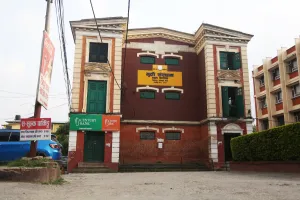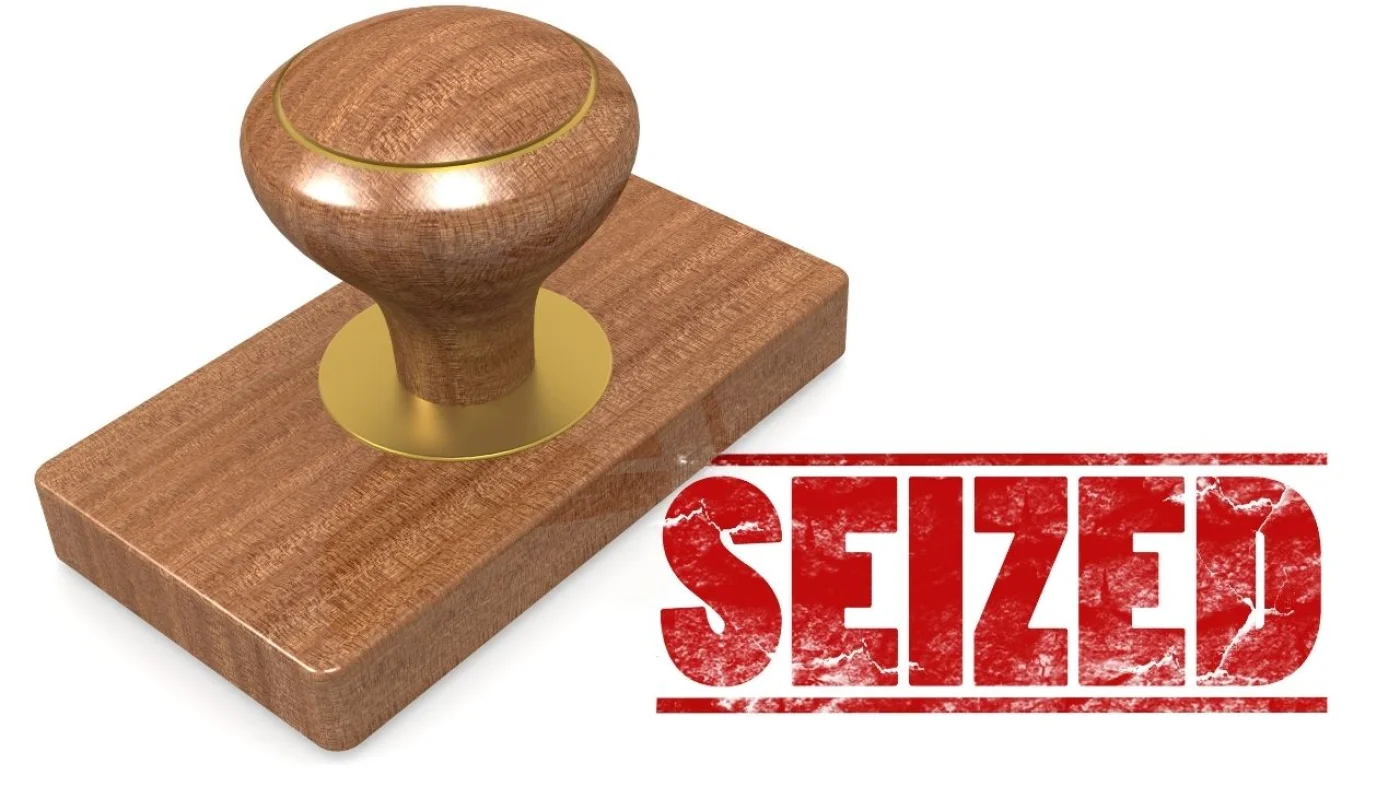
Property rokka process in Nepal refers to the official registration of a freeze, lien, or encumbrance on land or immovable property at the Land Revenue Office (Malpot Karyalaya)—now being renamed Bhumi Prashasan Karyalaya under the 2026 Amendment. The term Rokka literally means "freeze," and it is used by banks, courts, government agencies, and investigative bodies to restrict the transfer, sale, or mortgage of a property until a loan is repaid, a court order is satisfied, or an investigation is concluded. Consequently, the complementary process of Fukkuwa (release) is equally important, as it removes the restriction and restores full transferability to the owner. Furthermore, with the introduction of the Land Records Information Management System (LRIMS) and the delegation of rokka-fukkuwa powers to local governments, the property rokka process in Nepal has become more digitized, transparent, and accessible. Therefore, every property buyer, seller, lender, and borrower must understand how rokka is registered, verified, and released.
What Is Property Rokka Process in Nepal?
Definition of Rokka and Fukkuwa
Property rokka process in Nepal is the administrative procedure by which a legal restriction is placed on immovable property to prevent its sale, transfer, or further encumbrance without the consent of the party that requested the freeze. Rokka is commonly registered when a bank accepts land as collateral for a housing loan, business loan, or personal loan. It is also registered by courts in litigation matters, by the Commission for the Investigation of Abuse of Authority (CIAA) in corruption cases, and by government bodies in tax recovery proceedings. Fukkuwa, conversely, is the process of removing that restriction once the underlying obligation is discharged.
Why Rokka Registration Matters for Property Transactions
Rokka registration matters because a property under rokka cannot be legally sold, gifted, partitioned, or mortgaged to another party. If a buyer purchases land without checking its rokka status, the transaction may be void, and the buyer may lose the purchase amount. Moreover, the National Civil Code 2074 requires that any transfer of immovable property be registered within 35 days, and the Land Revenue Office is mandated to verify rokka status before approving any transfer. Thus, land rokka verification is a critical step in every property due diligence checklist.
Property Rokka Process in Nepal: Legal Framework
The Nepal property encumbrance system is governed by several statutes that operate in conjunction.
| Legislation | Year | Key Provisions for Rokka |
|---|---|---|
| National Civil Code 2074 | 2017 | Property ownership, transfer rules, contract validity, immovable property registration within 35 days |
| Land Revenue Act 2034 | 1977 | Registration procedures, mutation, revenue collection, rokka/fukkuwa authority of Land Revenue Office |
| Land Revenue Act Amendment 2083 (2026) | 2026 | Transfers rokka/fukkuwa powers to local government Land Management Branch; renames Malpot to Bhumi Prashasan Karyalaya |
| Land Act 2021 | 1964 (amended 2024) | Land classification, ownership restrictions, tenant rights affecting rokka eligibility |
| Contract Act 2056 | 2000 | Mortgage agreements, collateral enforcement, contractual obligations |
| Banking Offence and Punishment Act 2064 | 2008 | Secured transaction enforcement, bank collateral rights |
| Electronic Transactions Act 2063 | 2008 | Legal basis for LRIMS digital rokka/fukkuwa system |
| Constitution of Nepal 2072 | 2015 | Article 25: right to property; due process in restriction of property rights |
Additionally, the Nepal Rastra Bank issues directives to financial institutions regarding collateral valuation, mortgage registration, and foreclosure procedures. Furthermore, the Department of Land Management and Records (DOLRM) oversees the LRIMS platform that automates rokka verification and registration.
Types of Property Rokka in Nepal
Not all rokka registrations are identical. The nature of the restriction depends on the authority that requests it and the purpose for which it is imposed.
| Rokka Type | Requesting Authority | Purpose | Duration |
|---|---|---|---|
| Bank Mortgage Rokka | Commercial banks, development banks, finance companies | Secure housing, business, or personal loans | Until loan is fully repaid |
| Court Attachment Rokka | District Court, High Court, Supreme Court | Preserve property during litigation or enforce judgment | Until court order is satisfied |
| Government Rokka | Tax office, government departments | Recover unpaid taxes, penalties, or public dues | Until dues are cleared |
| CIAA Rokka | Commission for Investigation of Abuse of Authority | Freeze assets in corruption investigations | Until investigation concludes |
| Family Dispute Rokka | District Court (on petition) | Prevent sale during inheritance or partition disputes | Until case is resolved |
Bank mortgage rokka is the most common type encountered in ordinary property transactions. When a borrower pledges land as collateral, the bank submits a rokka application to the Land Revenue Office, and the property is frozen in the bank's favor.
Step-by-Step Property Rokka Registration Process in Nepal
Step 1: Mortgage Agreement Execution
The borrower and the lending institution execute a formal mortgage agreement (Dharani Patra) or loan deed that specifies the collateral property, loan amount, interest rate, repayment schedule, and default remedies. The agreement must be notarized or registered as required by the Contract Act 2056.
Step 2: Document Preparation for Rokka Application
The bank prepares the rokka application with the following documents:
| Document | Purpose |
|---|---|
| Rokka application letter | Formal request by the bank to freeze the property |
| Original Lalpurja | Proof of ownership of the collateral property |
| Mortgage deed / loan agreement | Evidence of the secured transaction |
| Borrower's citizenship certificate | Identity verification |
| Bank authorization letter | Authority of the bank officer to act on behalf of the institution |
| Property valuation report | Certified valuation by a government-approved valuer |
| Tax clearance receipt | Confirmation that land revenue is current |
Step 3: Submission to Land Revenue Office
The application is submitted to the Land Revenue Office (Malpot Karyalaya) or, under the 2026 Amendment, to the local government's Land Management Branch (Bhumi Vyavasthapan Shakha) where the property is located. The office verifies the ownership records, checks for existing rokka, and confirms that the property is eligible for mortgage.
Step 4: Verification and Registration
The Land Revenue Officer cross-checks the application against the official land records, LRIMS database, and field book entries. If no discrepancy is found, the rokka is registered in the land revenue records and the LRIMS system. A rokka entry is made in the property's file, and the Lalpurja may be annotated or retained by the office depending on local practice.
Step 5: Confirmation to the Bank
Once registered, the Land Revenue Office issues a rokka confirmation certificate or official letter to the bank. The bank then disburses the loan amount to the borrower. The entire process typically takes 3 to 10 working days, depending on document completeness and office workload.
| Rokka Registration Stage | Timeline | Responsible Party |
|---|---|---|
| Document preparation | 1 to 3 days | Bank and borrower |
| Application submission | Same day | Bank |
| Record verification | 2 to 5 days | Land Revenue Office |
| Rokka registration | 1 to 2 days | Land Revenue Office |
| Confirmation issuance | Same day | Land Revenue Office |
Property Rokka Verification Process for Buyers
Why Rokka Check Is Mandatory Before Purchase
Before any property purchase, the buyer is required to verify whether the land is under rokka. A property under mortgage rokka cannot be transferred unless the bank provides a release letter (fukkuwa patra). A property under court attachment cannot be transferred at all until the court lifts the attachment.
How to Check Rokka Status
The rokka status is checked through the following methods:
| Verification Method | Process | Cost |
|---|---|---|
| Land Revenue Office inquiry | Submit application with property details; office checks physical and digital records | NPR 200 – 1,000 |
| LRIMS online portal | Access www.nepal.gov.np or LRIMS interface; search by kitta number or LIN | Free or nominal |
| Certified encumbrance certificate | Request formal certificate showing all registered rokka and fukkuwa entries | NPR 200 – 1,000 |
The Landowner Identification Number (LIN) system in LRIMS enables quick retrieval of all rokka and transaction history linked to a specific owner. Buyers should request the seller's LIN and verify it independently.
Red Flags During Rokka Verification
| Red Flag | Risk | Recommended Action |
|---|---|---|
| Property under bank rokka | Bank holds first charge; sale may be void | Obtain bank release letter before payment |
| Multiple rokka on same plot | Complex priority disputes; may indicate over-leveraging | Investigate all liens and obtain NOCs |
| Court attachment rokka | Property is frozen pending litigation | Wait for court clearance or avoid purchase |
| Mismatch between Lalpurja and rokka records | Possible fraud or unauthorized amendment | Halt transaction; conduct full due diligence |
| Seller refuses rokka check | Likely concealment of encumbrance | Terminate negotiations immediately |
Property Fukkuwa (Release) Process in Nepal
When Is Fukkuwa Required?
Fukkuwa is required whenever a rokka is no longer necessary. The most common scenario is the full repayment of a bank loan. It is also required when a court order is vacated, when tax dues are cleared, or when a family dispute is resolved.
Step-by-Step Fukkuwa Process
| Step | Action | Documents Required |
|---|---|---|
| 1 | Borrower repays loan in full and requests discharge documents from bank | Loan account statement, repayment receipts |
| 2 | Bank issues fukkuwa application letter and release authorization | Bank letter, original rokka certificate, mortgage deed |
| 3 | Borrower or bank submits fukkuwa application to Land Revenue Office | Fukkuwa application, bank release letter, citizenship, Lalpurja copy |
| 4 | Land Revenue Office verifies loan discharge and updates records | Cross-check with LRIMS and bank confirmation |
| 5 | Fukkuwa is registered; property is released from encumbrance | Updated land records; clean title restored |
Under the LRIMS system, if multiple rokka exist on the same plot, they can be released through electronic record amendment in a single process. The Department of Land Management and Archive has confirmed that the system supports one-time release of multiple rokka on the same kitta number.
Timeline and Costs for Fukkuwa
| Activity | Timeline | Cost (NPR) |
|---|---|---|
| Bank discharge letter issuance | 3 to 7 days after final payment | Free to 500 |
| Fukkuwa application processing | 3 to 10 working days | 200 – 1,000 |
| LRIMS record update | Same day as approval | Included in processing fee |
| Certified fukkuwa certificate | Same day to 3 days | 200 – 500 |
Total fukkuwa timeline typically ranges from 1 to 3 weeks, depending on bank efficiency and Land Revenue Office workload.
Online Rokka and Fukkuwa System Through LRIMS
Digital Transformation of Property Encumbrance
The Land Records Information Management System (LRIMS) has digitized rokka and fukkuwa processes across Nepal. The system architecture includes a dedicated Rokka/Fukkuwa Verification Module that automates restriction registration, release tracking, and alert generation.
| LRIMS Feature | Benefit |
|---|---|
| Real-time rokka verification | Instant confirmation of encumbrance status |
| LIN-based record retrieval | Unique landowner ID eliminates duplicate records |
| Automated alert messages | SMS/email notifications to registered owners |
| Electronic record amendment | Multiple rokka released in single digital transaction |
| Integration with GIS/cadastral maps | Visual verification of property boundaries |
| 24/7 web availability | Owners can check status from any location |
The LRIMS system is accessible through the government portal and is connected to all Land Revenue Offices via secure intranet. Biometric verification (thumb impression), digital signature capture, and photo documentation are integrated to prevent fraudulent rokka or fukkuwa transactions.
Penalties for Fraudulent Rokka and Non-Compliance
| Violation | Penalty | Legal Basis |
|---|---|---|
| Fraudulent rokka registration | Criminal prosecution; imprisonment up to 5 years + fine | National Penal Code 2074, Sections 276-280 |
| Transfer of rokka property without release | Void transaction; civil liability; restitution | Civil Code 2074; Contract Act 2056 |
| Concealment of rokka by seller | Fraud charges; compensation to buyer; potential imprisonment | Penal Code 2074, Section 279 |
| Forgery of fukkuwa release letter | Forgery penalties up to 5 years + fine | Penal Code 2074, Sections 276-280 |
| Bank failure to release rokka after repayment | Regulatory action by Nepal Rastra Bank; civil damages | Banking Offence Act 2064; Contract Act 2056 |
| Unauthorized removal of rokka by official | Departmental action; criminal prosecution | Land Revenue Act 2034; Penal Code 2074 |
Rokka Process Under 2026 Local Government Delegation
Shift from District to Local Level
The Land Revenue Act Amendment 2083 (2026) has transferred rokka and fukkuwa processing from district Land Revenue Offices to local government Land Management Branches (Bhumi Vyavasthapan Shakha). This change is intended to reduce travel time, lower costs, and improve access for rural borrowers and small cooperatives.
| Service | Old Authority | New Authority (2026) |
|---|---|---|
| Rokka registration | District Land Revenue Office (Malpot) | Local Municipality Land Management Branch |
| Fukkuwa release | District Land Revenue Office (Malpot) | Local Municipality Land Management Branch |
| Ownership transfer (Jagga Pass) | District Land Revenue Office | Local Municipality |
| Namasari (inheritance transfer) | District Land Revenue Office | Local Municipality |
| Dakhil Kharij (mutation) | District Land Revenue Office | Local Municipality |
However, federal oversight remains. The Director General of the Department of Land Management and Records retains authority to review and cancel any local-level registration that involves serious legal error before the matter reaches court.
Frequently Asked Questions About Property Rokka Process in Nepal
Q1: What is property rokka process in Nepal?
Property rokka process in Nepal is the official registration of a freeze or encumbrance on immovable property at the Land Revenue Office or local municipality to restrict its sale, transfer, or mortgage until a loan, court order, or government claim is satisfied.
Q2: What is the difference between rokka and fukkuwa?
Rokka is the registration of a restriction on property, while fukkuwa is the removal of that restriction. Rokka is applied when a bank takes collateral or a court issues an attachment; fukkuwa is applied when the loan is repaid or the court order is vacated.
Q3: How is property rokka registered in Nepal?
The bank or requesting authority submits a rokka application with the Lalpurja, mortgage deed, citizenship, and valuation report to the Land Revenue Office. The office verifies records and registers the freeze in the land revenue database and LRIMS system.
Q4: How can a buyer check if a property is under rokka?
A buyer can check rokka status by submitting an inquiry at the Land Revenue Office, requesting a certified encumbrance certificate, or searching the LRIMS online portal using the property kitta number or owner's LIN.
Q5: Can a property under rokka be sold in Nepal?
No. A property under rokka cannot be legally sold, gifted, or transferred until the rokka is released through the fukkuwa process. Any attempted transfer of encumbered property is void.
Q6: What documents are required for fukkuwa?
Fukkuwa requires the bank's release letter, fukkuwa application, borrower's citizenship, Lalpurja copy, and the original rokka registration details. The application is submitted to the same office that registered the rokka.
Q7: How long does fukkuwa take in Nepal?
The fukkuwa process typically takes 1 to 3 weeks, depending on the bank's speed in issuing the discharge letter and the Land Revenue Office's processing capacity.
Q8: What is LRIMS in property rokka?
LRIMS (Land Records Information Management System) is Nepal's digital land administration platform that automates rokka registration, verification, and release. It provides real-time encumbrance checking and automated alerts to landowners.
Q9: Who can request property rokka in Nepal?
Banks, courts, government tax authorities, the CIAA, and parties to family disputes can request rokka. Banks are the most common requestors for mortgage collateral.
Q10: What happens if a seller hides rokka status from a buyer?
If a seller conceals rokka status, the buyer may rescind the transaction, demand refund, and file fraud charges under the National Penal Code 2074. The seller faces civil liability and potential criminal prosecution.
Conclusion
Property rokka process in Nepal is a vital mechanism that secures lenders, enforces court judgments, and protects public revenue interests while simultaneously safeguarding buyers from fraudulent transactions. From bank mortgage registration to court attachment, LRIMS digital verification, and fukkuwa release, the framework has evolved into a structured, technology-enabled system. The 2026 delegation of rokka-fukkuwa powers to local governments marks a significant decentralization that promises faster service delivery for rural and urban borrowers alike.
Therefore, professional legal guidance is strongly recommended before mortgaging property, purchasing land, or applying for fukkuwa release. Attorney Nepal Pvt Ltd provides comprehensive property rokka services, including rokka status verification, mortgage documentation, fukkuwa application support, LRIMS record checking, dispute resolution, and representation in fraudulent encumbrance cases. Contact our team today to ensure your property transactions are fully compliant with Nepal property encumbrance law.
Disclaimer: This guide is published for informational and educational purposes only. It does not constitute legal advice, advertisement, solicitation, or inducement of any kind. Attorney Nepal Pvt Ltd shall not be liable for any consequences arising from actions taken based on the information contained herein. For specific legal advice tailored to your property rokka matters, please consult a qualified legal professional.
References
National Civil Code 2074 (2017) — Nepal Law Commission
Land Revenue Act 2034 — Nepal Government
Land Act 2021 — Nepal Archives
Contract Act 2056 — Nepal Law Commission
Banking Offence and Punishment Act 2064 — Nepal Law Commission
Electronic Transactions Act 2063 — Nepal Law Commission
Constitution of Nepal 2072 (2015) — Nepal Law Commission
This article is for general informational purposes only and does not constitute legal advice. For advice on your specific situation, please contact Attorney Nepal directly.